
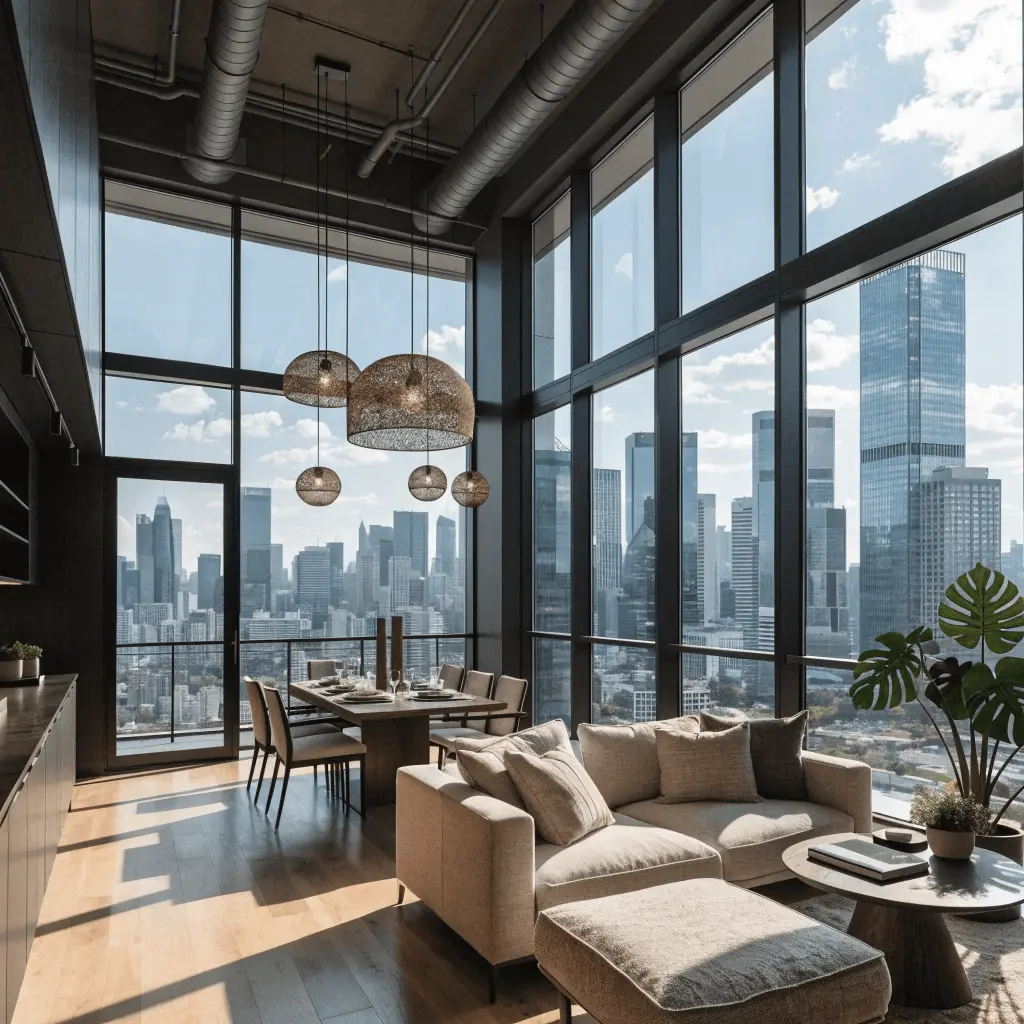
Urban living has changed dramatically over the past decade. Rising population density, evolving lifestyles, and advancements in technology have all influenced how residential spaces are designed. Today’s condominium floor plans are no longer just about fitting rooms into a limited footprint. They are carefully crafted to maximize comfort, flexibility, and efficiency while supporting a smarter way of living.
Modern condo developments reflect the realities of city life. People work from home more often, value multifunctional spaces, and expect seamless integration of technology. As a result, architects and developers are rethinking traditional layouts and introducing innovative design strategies that make urban homes more livable.
The Shift Toward Functional Space Planning
One of the most significant changes in condo floor plans is the focus on functionality. In the past, layouts often prioritized aesthetics over usability. Today, every square meter is carefully considered.
Living areas are designed to serve multiple purposes. A dining area might double as a workspace, while a bedroom could incorporate study corners or storage solutions. Open-concept layouts are increasingly popular because they create a sense of spaciousness and allow residents to adapt the space to their needs.
For example, developments like Thomson Reserve reflect this approach by offering thoughtfully planned units that balance openness with privacy. By studying a typical Thomson Reserve floor plan, it becomes clear how modern layouts eliminate wasted corridors and integrate living, dining, and kitchen areas seamlessly.
Open-Concept Living for Flexibility
Open-plan layouts have become a defining feature of modern condos. Removing unnecessary walls allows natural light to flow through the unit, making spaces feel larger and more inviting.
This design also supports flexible living. Residents can easily rearrange furniture or redefine spaces depending on their needs. For instance, a living room can transform into a home office during the day and a relaxation area in the evening.
Open kitchens are another key element. Instead of being enclosed, kitchens are now integrated into the main living space. This not only enhances social interaction but also improves efficiency, especially in smaller units.
Smart Storage Solutions
Storage is often a challenge in urban homes, where space is limited. Modern condo floor plans address this issue through innovative storage solutions that are both practical and discreet.
Built-in cabinets, hidden compartments, and multifunctional furniture are commonly used to maximize storage without cluttering the space. Designers also utilize vertical space by incorporating tall shelving units and overhead storage.
Bedrooms often feature integrated wardrobes, while kitchens are designed with efficient cabinetry systems. Even small spaces such as hallways or corners are optimized to provide additional storage options.
Integration of Smart Home Technology
Technology plays a crucial role in shaping modern condo layouts. Smart home features are no longer an afterthought but an integral part of the design process.
Floor plans now include provisions for smart lighting, automated climate control, and security systems. These features enhance convenience and energy efficiency while allowing residents to control their homes remotely.
In developments like Thomson Reserve, smart home integration is a key selling point. Visiting a Thomson Reserve Showflat can give potential buyers a firsthand look at how technology is seamlessly embedded into the living environment.
Designing for Work-From-Home Lifestyles
The rise of remote work has significantly influenced condo design. Modern floor plans often include dedicated workspaces or flexible areas that can be converted into home offices.
This shift has led to the inclusion of features such as built-in desks, enhanced sound insulation, and better lighting conditions. Developers understand that residents need a productive environment without compromising on comfort.
Some layouts even offer dual-purpose rooms that can function as guest bedrooms or workspaces. This adaptability ensures that the unit remains functional as lifestyle needs evolve.
Maximizing Natural Light and Ventilation
Access to natural light and fresh air is essential for well-being, especially in dense urban environments. Modern condo floor plans are designed to maximize these elements.
Large windows, sliding glass doors, and strategic orientation help bring in more daylight. Cross-ventilation is also considered to improve air circulation within the unit.
Balconies are another important feature. They serve as extensions of the living space, providing residents with a connection to the outdoors. Even compact units often include balconies to enhance livability.
Privacy Within Compact Spaces
While openness is important, privacy remains a key consideration in condo design. Modern floor plans strike a balance between shared and private areas.
Bedrooms are typically positioned away from the main living areas to reduce noise and ensure a sense of retreat. In larger units, en-suite bathrooms and walk-in wardrobes add an extra layer of privacy and convenience.
Soundproofing materials and thoughtful spatial arrangements further enhance privacy, making it possible to enjoy a peaceful environment even in a busy urban setting.
Efficient Kitchen and Bathroom Layouts
Kitchens and bathrooms are among the most frequently used spaces in any home. Modern condo floor plans prioritize efficiency in these areas.
Kitchens are designed with a workflow in mind, often following the “kitchen triangle” principle that optimizes the distance between the sink, stove, and refrigerator. Compact yet functional layouts ensure that everything is within easy reach.
Bathrooms are also designed to maximize space and usability. Features such as wall-mounted fixtures, sliding doors, and smart storage solutions help create a clean and organized look.
Community-Centric Design
Modern condo living extends beyond individual units. Floor plans are often designed in conjunction with shared amenities to create a holistic living experience.
Developments like Thomson Reserve offer a wide range of facilities, including swimming pools, fitness centers, and communal spaces. These amenities reduce the need for larger private spaces within each unit, allowing for more efficient layouts.
The location of Thomson Reserve further enhances its appeal. Situated near Upper Thomson MRT and within close proximity to reputable schools like Ai Tong Primary, it provides convenience for families and professionals alike. Upcoming infrastructure such as the North-South Corridor is expected to improve connectivity even further.
Sustainability and Energy Efficiency
Sustainability is a growing priority in modern condo design. Floor plans are now created with energy efficiency in mind, helping residents reduce their environmental footprint.
Features such as energy-efficient appliances, LED lighting, and smart climate control systems are commonly included. Building orientation and window placement are also optimized to reduce heat gain and improve natural cooling.
Water-saving fixtures and eco-friendly materials further contribute to sustainable living. These elements not only benefit the environment but also help residents save on utility costs.
Adapting to Diverse Lifestyles
One of the key strengths of modern condo floor plans is their ability to cater to diverse lifestyles. Whether it is a single professional, a young couple, or a multi-generational family, there is a layout designed to meet their needs.
Developments like Thomson Reserve offer a wide range of unit types, from one-bedroom apartments to larger five-bedroom homes. This variety ensures that residents can find a space that suits their lifestyle and future plans.
Flexibility is at the core of these designs. Spaces can be easily reconfigured or adapted, allowing residents to make the most of their homes as their needs change over time.
The Role of Location in Floor Plan Design
Location plays a crucial role in shaping condo floor plans. In urban areas, proximity to transportation, schools, and amenities influences how units are designed.
For instance, being close to an MRT station like Upper Thomson means residents may rely less on private vehicles. As a result, floor plans may allocate less space to storage for cars and more to living areas.
Similarly, access to nearby dining and retail options allows for more compact kitchens, as residents have the flexibility to dine out or order in.
Future Trends in Condo Floor Plans
As urban living continues to evolve, condo floor plans will become even more innovative. Some emerging trends include modular designs, where walls and partitions can be adjusted to create different layouts.
Co-living concepts are also gaining popularity, with shared spaces designed to foster community interaction while maintaining private living areas.
Advancements in technology will further enhance smart home integration, making it possible to automate more aspects of daily life. Sustainability will remain a key focus, with new materials and design strategies aimed at reducing environmental impact.
Conclusion
Modern condo floor plans are a reflection of changing lifestyles and technological advancements. They prioritize functionality, flexibility, and efficiency, ensuring that residents can enjoy a comfortable and convenient urban lifestyle.
Developments like Thomson Reserve demonstrate how thoughtful design can transform limited space into a highly livable environment. From smart home integration to community-centric planning, every aspect is carefully considered to meet the needs of modern residents.
As cities continue to grow, the importance of well-designed living spaces will only increase. By embracing innovation and focusing on the needs of residents, modern condo floor plans are setting a new standard for smarter urban living.