
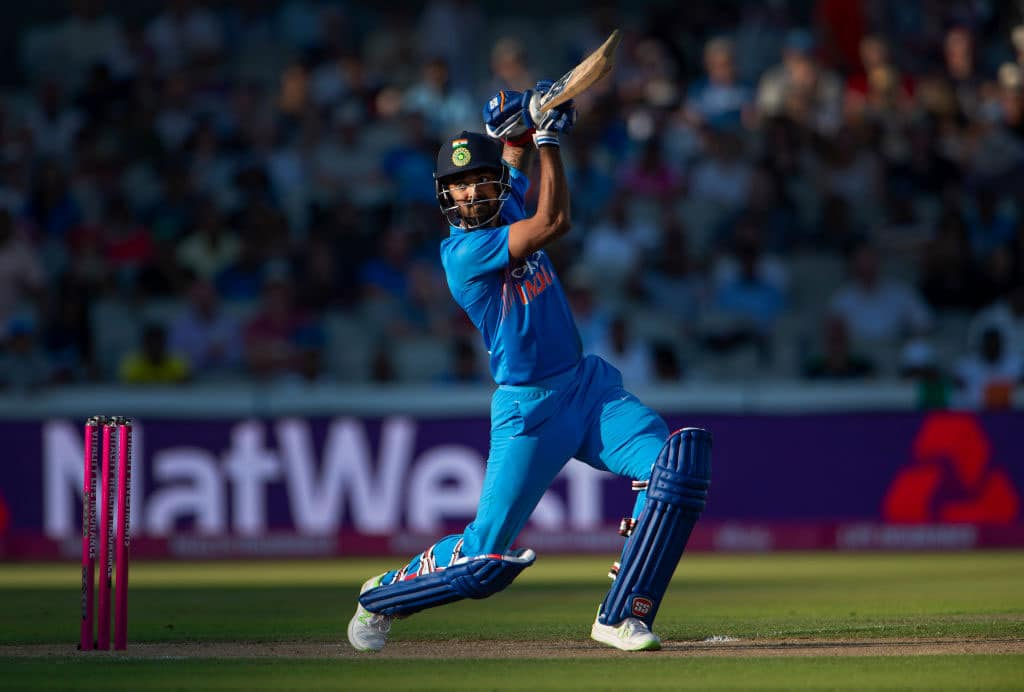
Big sports events do more than pull audiences toward one screen. They change how people search, compare, pause, return, and decide what deserves another minute of attention. During the IPL, that shift becomes easy to notice because traffic arrives with more intent than usual. People are already looking for teams, fixtures, odds, and match-specific information before the page even loads. An ipl betting website becomes interesting in that context because it reflects a wider digital habit. Users want a page that gets to the point, keeps cricket at the center, and avoids making them sort through unrelated categories before they can even tell whether the page matches the moment that brought them there.
That change matters beyond betting itself. It says something about how online behavior works when attention is compressed and time feels divided into short windows between other tasks. A broad homepage can feel too heavy during a live tournament cycle. A focused page feels easier to judge because its purpose is visible at once. That difference is worth discussing for a magazine audience that follows cultural shifts, technology habits, and the ways digital products adapt to public interest. The appeal is not built on loud claims. It comes from structure, timing, and how quickly a page helps the visitor decide whether to stay. In fast-moving event cycles, clarity carries more weight than volume.
Why tournament pages feel different from everyday platforms
The IPL creates a very specific type of online visit. A person may come in with a team already in mind, a match already open on another screen, or a question that needs a fast answer before the next over begins. That is why tournament-led pages tend to feel different from general entertainment or sportsbook pages. They are judged almost immediately. If the match context is hidden, if the cricket sections are buried, or if the mobile view feels cluttered, the visit ends quickly. A focused IPL page works better because it respects the reason for the visit. It keeps the tournament visible, shortens the path to the relevant market, and reduces the number of decisions a person has to make before finding something useful. That kind of page design speaks to behavior first and product logic second.
The real attraction comes from page discipline
Many online products lose people because they try to say too much at once. A page centered on IPL betting has a better chance when it stays disciplined. The strongest versions do not try to explain every sport, every market type, and every offer in one crowded view. They stay close to the tournament, give the match structure room to breathe, and let the user move with very little friction. That is where the product becomes interesting for a broader readership. The page is not simply offering a service. It is showing how online platforms respond when a seasonal event brings high intent and short attention together. Readers notice when a page feels organized enough to trust for another click. That response has less to do with branding and more to do with whether the page seems built for the moment.
What people notice before they decide to stay
The first judgment happens quickly, and it usually comes from a few practical details rather than from any headline promise. A page built around a live sports cycle tends to hold attention longer when it answers the visitor’s most obvious questions early.In this case, the page format could seem more useful as it is immediately apparent that it is a cricket page, easy to navigate through the cricket match route, and it is easy to make quick comparisons without having to go through extra steps. The details that seem to matter most are as follows:
- Clear IPL-first organization instead of a mixed page where cricket sits beside unrelated categories.
- Match-centered navigation that helps users move from general interest to a specific event without delay.
- Mobile readability that keeps text, odds, and sections easy to scan during short visits.
- Straightforward access to market categories so the page feels usable before any deeper action begins.
Why this format fits a magazine audience
A general interest publication can still find value in a page like this because the topic reaches past betting. It’s related to digital behavior, mobile behavior, interface design, and how the flow of public attention changes a product during a major event. IPL is a good example of this because it distills it into a short cycle. People arrive with urgency. Platforms respond by simplifying paths, reducing visual overload, and placing the most relevant information closer to the surface. That is a broader online story, and it belongs in the same conversation as streaming design, live content feeds, and event-based commerce. A page built for IPL traffic shows how digital services are learning to respect shorter sessions and sharper intent. That makes it relevant to readers who care about how online spaces evolve under pressure.
Focus often works better than excess
There is a common assumption that more options create a stronger digital experience. In practice, event-driven pages often work better when they narrow the frame. During the IPL, users do not always want exploration. They want orientation. They want to know where they are, what the page covers, and whether the next click will take them closer to the match or farther away from it. A focused betting page can answer that need more effectively than a broad portal because its structure does not compete with itself. It stays close to the tournament and keeps the visitor’s purpose in view. That is a useful lesson for almost any digital category. Pages earn more trust when they respect timing, intent, and the actual conditions in which people use their phones.
Where this pattern points next
What appears on an IPL page today says something larger about the future of online attention. People are growing more selective about where they spend even a few extra seconds. They move toward pages that feel immediate, readable, and relevant to the exact moment they are in. That is why event-led formats keep gaining ground across different corners of the web. They remove delay, reduce confusion, and make the next step easier to judge. In the case of an IPL betting page, those strengths are easy to spot because the user arrives with a clear purpose and very little patience for detours. For readers of a magazine that follows change in culture and digital behavior, that is the real story here. The page reflects a larger shift toward sharper focus and more intentional design.