
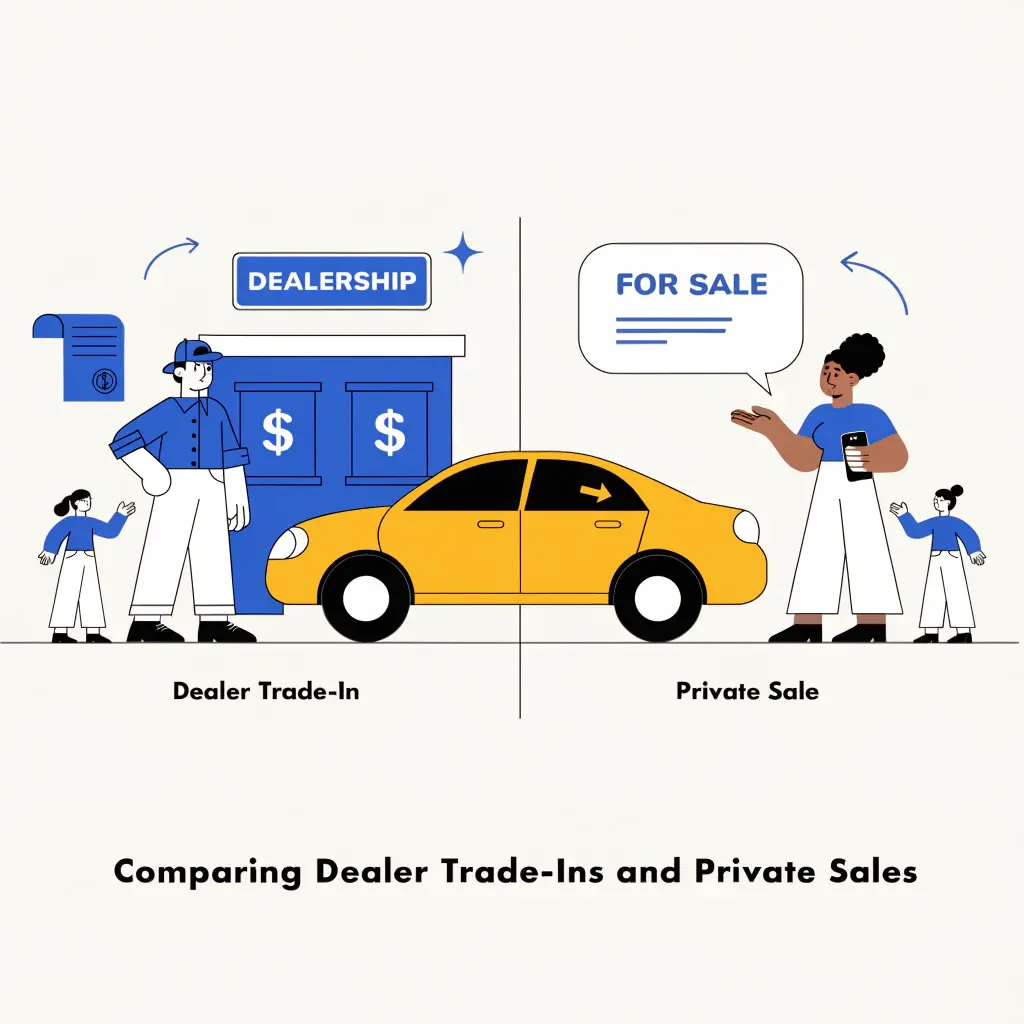
Selling a motorcycle or a car usually comes down to two paths: a dealer trade-in or a private sale. Each route has its own rhythm, its own paperwork, and its own trade-offs between speed and payout. Understanding the difference before deciding helps set realistic expectations for both time and money.
Dealerships built around trade-ins, such as American Motorcycle Trading Company, specialize in making the handoff simple. A seller brings in a bike or car, gets it appraised on the spot, and often applies the value directly toward a new purchase. This model removes much of the guesswork, since the dealer handles inspection, valuation, and paperwork all in one visit.
Speed And Convenience Of Dealer Trade-Ins
The biggest appeal of a trade-in is how quickly it wraps up. There is no need to field calls from strangers, arrange test drives, or wait weeks for the right buyer to appear. A dealer appraisal typically takes less than an hour, and once a number is agreed upon, ownership transfers immediately. For anyone short on time or eager to roll the trade-in value into a new vehicle, this convenience is hard to beat.
Financial Trade-Offs To Consider
The trade-off for that convenience is usually a lower payout. Dealers factor in reconditioning costs, storage, and resale margin, so trade-in offers tend to land below private-sale prices. Consumer guidance from the Federal Trade Commission notes that understanding a vehicle’s fair market value beforehand helps sellers evaluate whether an offer is reasonable. Comparing a dealer’s offer against independent valuation tools before agreeing to anything is a simple way to avoid leaving money on the table. Every owner should remember this before deciding how to move on from their current ride.
The Private Sale Process
A private sale flips the equation, trading convenience for a potentially larger return. Listing a vehicle directly to buyers, whether through classifieds, marketplace apps, or word of mouth, allows the asking price to reflect true market demand rather than a dealer’s margin requirements. Buyers in private transactions are often willing to pay more because they are not paying for a dealership’s overhead. However, the owner must spend time on this process, which many prefer not to do.
Time And Effort Involved In Private Sales
That higher payout comes with more legwork. Sellers must photograph the vehicle, write a listing, answer inquiries, screen potential buyers, and coordinate test rides or drives, often with people they have never met. Title transfer and payment also fall entirely on the seller, which means extra care is needed to avoid fraud or incomplete paperwork. The National Highway Traffic Safety Administration offers general guidance on vehicle history and title verification that can help private sellers protect themselves during the process. Depending on the vehicle and local market, a private sale can take anywhere from a few days to several months to close.
Weighing Priorities Before Deciding
Ultimately, the better option depends on what matters most in the moment: speed or maximum value. A dealer trade-in suits those who want a fast, low-hassle transaction and plan to purchase another vehicle right away. A private sale suits those willing to invest time and patience in exchange for a stronger final price. Neither path is inherently better, since the right choice comes down to individual priorities, timelines, and comfort with handling the sale independently rather than through a dealership.